
Srebnitsky's Defiance and Death
City of GodThe tailors' iconoclastic courage transforms a meaningless execution into an enduring act of self-sacrifice.
increasing Bearing strength in each event
 decreasing
Bearing strength in each eventdecreasingThe Tailor's Rag Bin
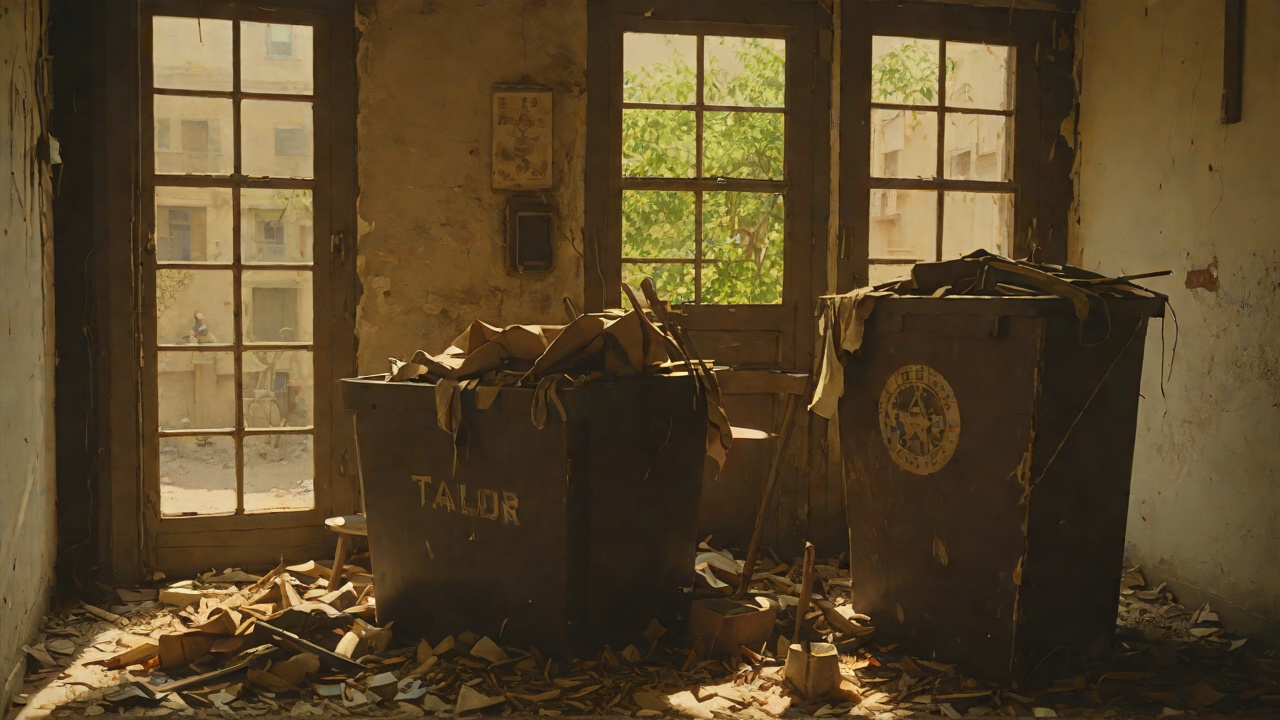
The Tailor's Rag Bin
Context
Srebnitsky works at a window in his two-room house, mending threadbare clothes with supplies bartered from customers. Nothing is thrown away; every scrap goes into the rag bin. He talks to himself, curses his lost sewing machine, and shares his skepticism about the Bible with the boy who has been placed in his care.
Significance
The rag bin is a metaphor for the ghetto's economy of survival. Srebnitsky's skilled hands create order out of ruin. His rationalism is a quiet rebellion against the sacred lies that have done nothing to save his family.
Consequences
Yehoshua is drawn into the tailor's orbit, watching his hands as if they spoke a language of their own. The old man's care is practical, unsentimental, and therefore all the more reliable.
The Commandant's Uniform
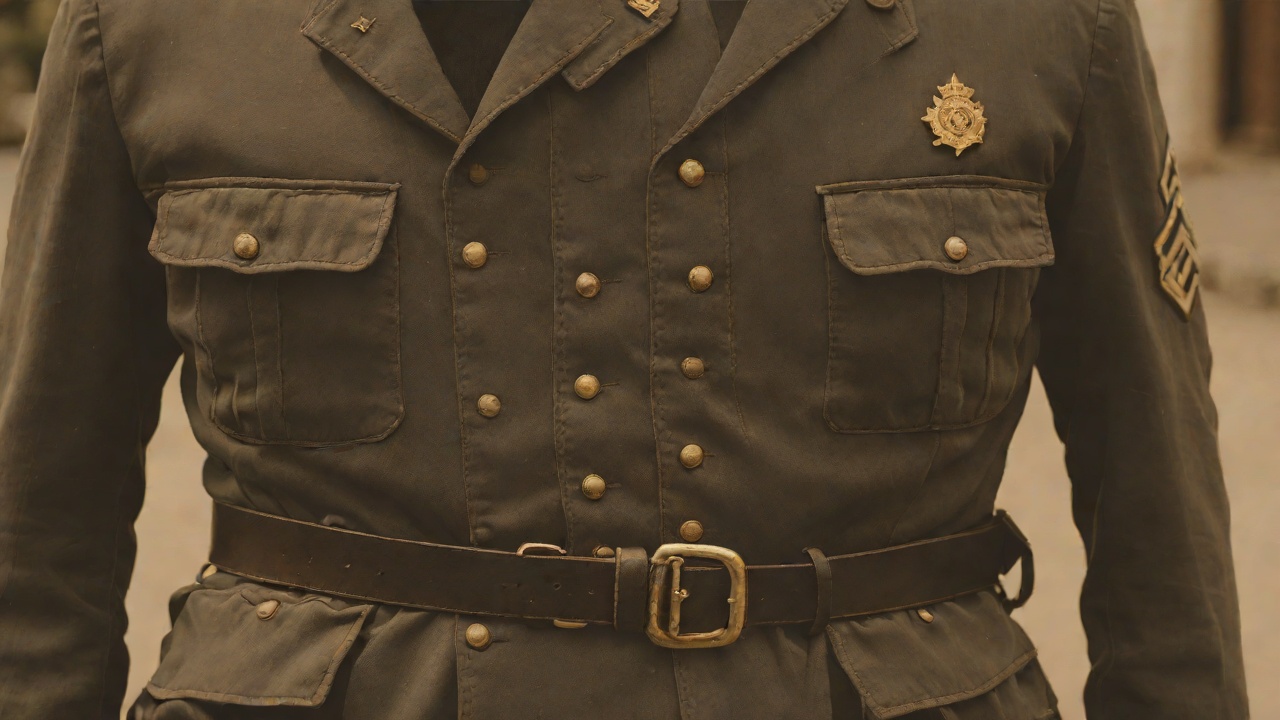
The Commandant's Uniform
Context
Srebnitsky receives a bolt of luxurious charcoal-colored cloth and begins cutting an S.S. officer's uniform. A sewing machine is returned to him as a concession. He tells Yehoshua that it is a hopeful sign when a thug can be party to an ordinary business deal, though both know the deal is one-sided.
Significance
The uniform is the point where the tailor's craft and the machinery of terror intersect. Srebnitsky must lend his art to the enemy in order to live. He completes the work with bitterness and precision, aware that his hands are keeping both himself and the boy alive.
Consequences
The uniform brings Schmitz himself to the tailor's door, setting the stage for the fatal moment of defiance.
Scissors Against the Lapel
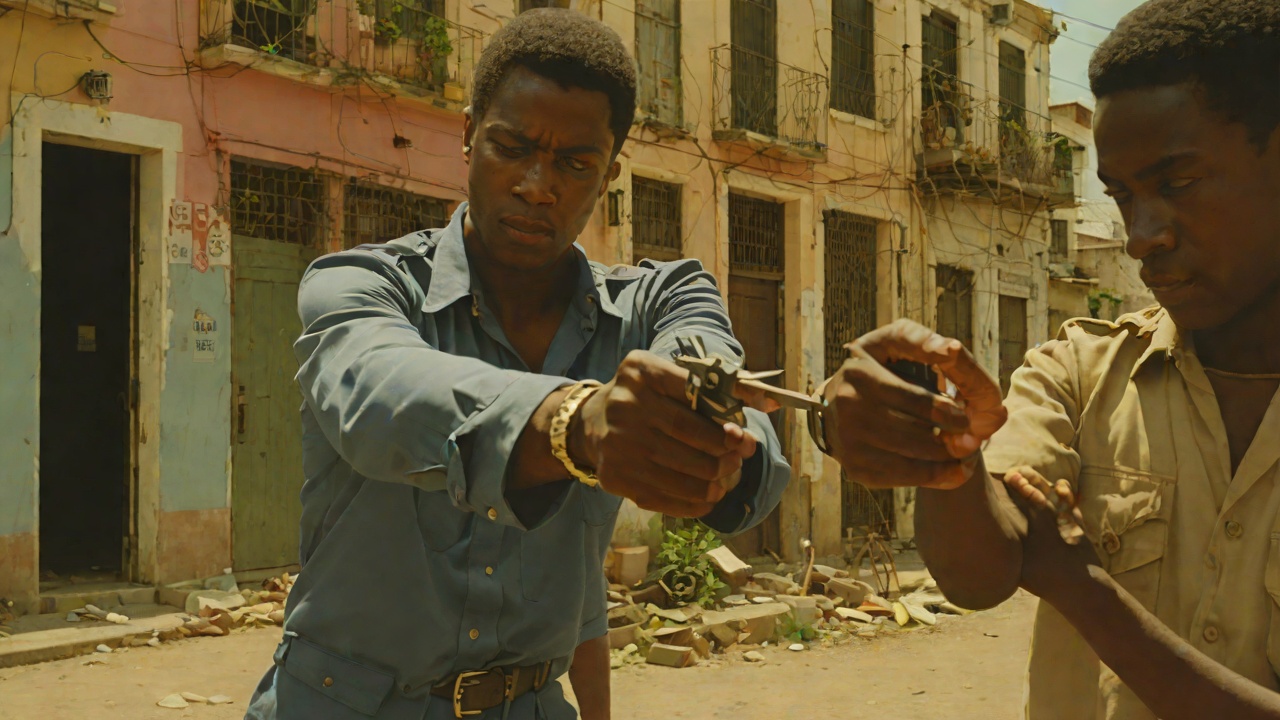
Scissors Against the Lapel
Context
Major Schmitz poses in his new uniform and refuses to pay. Srebnitsky plays the supplicant, then suddenly yanks at the lapel and slashes the scissors-point down the front, ruining the garment. He shrieks that Schmitz is a thief, no better than all the thieves of their work and their lives. The driver clubs the old man to the ground and kicks him.
Significance
The slash is a suicidal act of self-respect. Srebnitsky does not kill the commandant, knowing that a dead officer would trigger massive reprisals. Instead he performs a precisely modulated act of defiance, as deft as his tailoring, sacrificing himself so that the ghetto will not be annihilated.
Consequences
Srebnitsky is taken to Gestapo headquarters, and the council begins to round up hiding places in anticipation of reprisals. The old man has changed the narrative from a ghetto's petty survival to a single human's moral protest.
Gallows in the Square
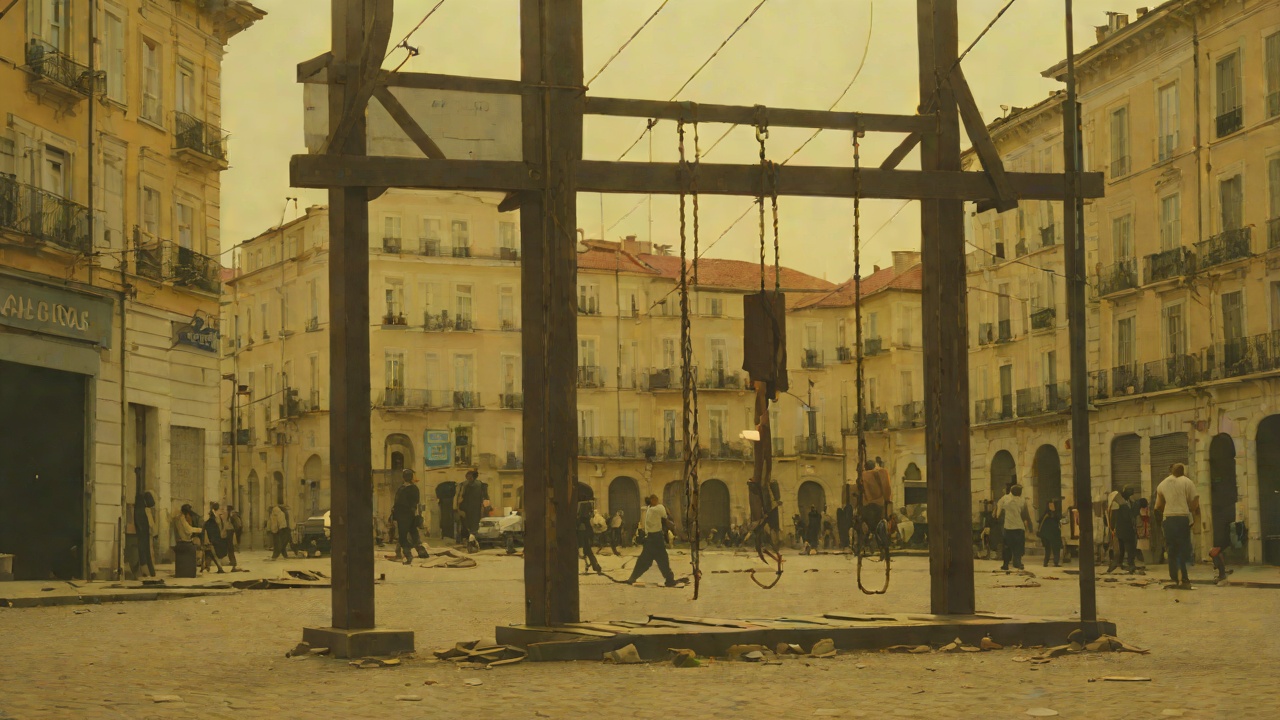
Gallows in the Square
Context
The Germans order all Jews to attend the hanging. Srebnitsky is dragged to the scaffold, his legs broken and his hands mangled. At the last moment he lifts his head and seems to read his glory into the assembled crowd. A sign is hung around his neck: This Jew dared to raise his hand against a German officer.
Significance
The public hanging is intended as terror, but Srebnitsky's final look transforms it into a triumph. His death is self-sacrificial, a part given for the whole. The body left dangling becomes an accusation rather than a warning.
Consequences
Two men who try to cut down the body are shot dead. The gallows and the corpse will remain in Yehoshua's memory as the defining image of the ghetto's spiritual resistance.
A Grandson's Final Memory
A Grandson's Final Memory
Context
In Sarah Blumenthal's account of her father's conversation, Yehoshua recalls Srebnitsky's death but dwells less on the heroism than on the small kindnesses: letting out his clothes as he outgrew them, bartering for shoes, feeding him in silence. The iconoclast and the boy are bound by daily care rather than by blood.
Significance
Yehoshua concludes that Srebnitsky's death was not a desire to die but a desire for self-transcendence. He distinguishes the ordinary unendurable torments of the ghetto, absorbed uniquely in each heart, from the tailor's chosen end.
Consequences
The memory becomes part of the archive's emotional landscape. Srebnitsky survives not in any document but in the moral shape of the boy who watched him fall.
early in Yehoshua's time with Srebnitsky in the Kovno Ghetto
in the winter, when S.S. Major Schmitz commissions a new uniform from the tailor
the morning Schmitz arrives to pick up the completed uniform
at dawn, after the Germans build a gallows in the town square
years later, when Yehoshua tells his daughter about the tailor
